AI Social Media & Polarisation: Navigating through Filter Bubbles and Echo Chambers | AI Ethics
An exploration of how AI-driven social media platforms create filter bubbles and echo chambers, exacerbating political polarization and raising critical questions about digital curation, user autonomy, and AI ethics.
About This Documentary
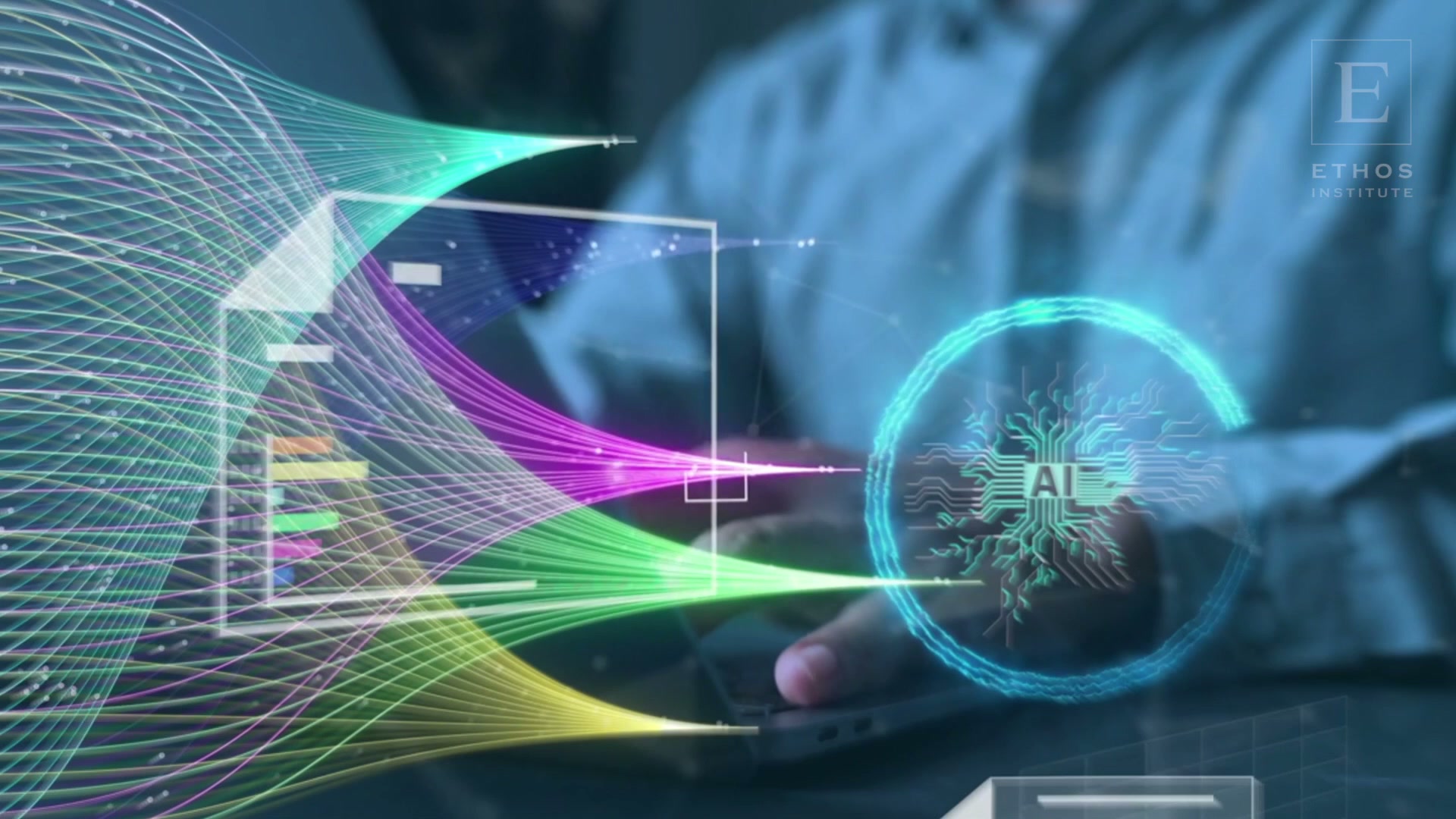
In the digital world, where social media dominates our daily lives, have you ever paused to consider the intricate role of artificial intelligence (AI)? It's as if AI crafts our digital surroundings, presenting us with content meticulously tailored to our preferences. But herein lies a profound inquiry: how does AI discern what to reveal and shroud in obscurity? Are we aware of this digital curation, or does it occur unnoticed, much like the invisible shields of filter bubbles that envelop us?
Filter bubbles, carefully constructed by AI, cocoon us in the comfort of familiarity. They shield us from encountering diverse perspectives, but do these protective cocoons nurture our intellectual fortitude, or do they inadvertently constrain our horizons? The resonating echo chambers they foster are comforting, for they amplify our beliefs, yet they can also foster polarization.
Consider the 2018 Cambridge Analytica scandal, a stark reminder of the far-reaching consequences of AI-driven data analytics. Millions of Facebook profiles were secretly harvested, and private data was exploited for political advertising. Such actions illuminate AI's capacity to target individuals with tailored messages, potentially exacerbating division and inflaming divisive rhetoric.
Is escape from these digital echo chambers conceivable, as a study on Google's search engine suggested? It appears that users' choices play a pivotal role. But why do individuals actively seek echo chambers, and what sustains their allure? Do these chambers hinder our capacity for constructive discourse with dissenting voices?
Yet, AI does not function in isolation. It observes our online behaviours, learning from our clicks, likes, and shares, all while aiming to please us. The paramount question emerges: does AI merely mirror our desires, or does it possess the ability to mould them? Are we the sole architects of our digital consumption, or should AI also bear some responsibility?
As filter bubbles and echo chambers persist and polarization swells, we must reflect on the consequences. These digital realms magnify disparities, rendering opposing viewpoints invisible. Is this the digital landscape we genuinely desire? What societal toll does polarization exact, affecting both our online and offline relationships? In an era where AI amplifies our distinctions, is there still common ground to be discovered?
The responsibility to bridge these divides rests entirely with us, but it commences with awareness—acknowledging AI's pivotal role in shaping our digital reality. We must evolve from passive consumers to active participants, discerning the steps needed to puncture our filter bubbles and transcend our echo chambers. Can AI be reprogrammed to offer a more varied menu, fostering a healthier digital ecosystem?
What kind of digital world do we envisage for future generations? Will we wield AI as a tool of division, or can we wield it judiciously to unite?
Key Insights
Deep dive into real-world examples and case studies
Evidence-based framework connections and practical applications
Actionable takeaways for immediate implementation
Topics Covered
Framework Connection
This video directly supports Pillar 6 of the Bridge Framework: Transparency & Explainability
Explore Full FrameworkYou Might Also Like
AI PicksBased on topics, keywords, and content similarity

Ready to Get Started?
Assess your organisation's AI governance maturity and get personalised recommendations.
Take AssessmentYou're one step away from:
Enter your email — we'll send an instant magic link. No password needed.
Check your inbox
Secure link sent to
Expires in 15 mins · Check spam if needed
Direct presenter and client playback access. Enter credentials below.
Access Unlocked
Authorised Presenter Mode Active.
Reloading physical interfaces...
For teams, universities, and public-sector bodies seeking institutional access.
Request received
Our team will be in touch within 1 business day.
Includes resources from
Your data is never shared. Privacy Policy